Male Pelvic Rehabilitation: Myths and Reality
Pelvic floor issues aren't just a women's health topic, and they're rarely talked about openly among men. Here's what male pelvic rehabilitation actually treats, and the myths getting in the way of men seeking help.
Published
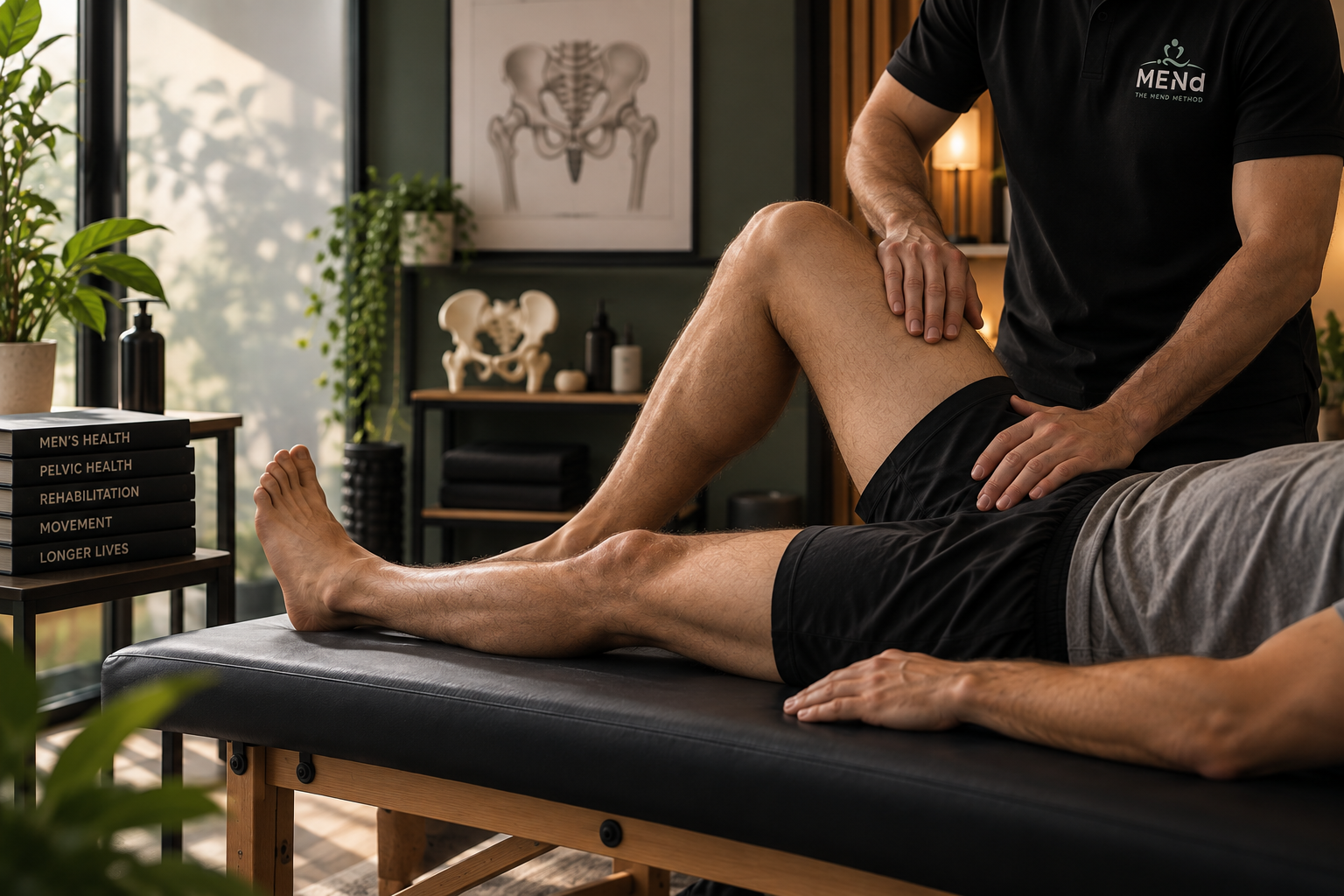
Pelvic floor rehabilitation carries a reputation problem: most men have never heard of it, and the ones who have often assume it's exclusively a women's health service, usually tied to childbirth recovery. That gap in awareness keeps a lot of men quiet about symptoms, urinary changes, erectile or ejaculatory difficulties, pelvic pain, that a specialized program could actually address.
Myth: Pelvic Floor Issues Only Affect Women
The pelvic floor is a muscle group every man has, and like any muscle group, it can become weak, tight, or dysfunctional. Prostate surgery, chronic straining, prolonged sitting, and old injuries can all affect it directly, independent of anything related to childbirth or female anatomy.
Myth: It's Only for Men Recovering From Surgery
Post-surgical recovery, particularly after prostate procedures, is one common reason men seek pelvic rehabilitation, but it's far from the only one. Younger, physically active men can develop pelvic floor dysfunction from training habits, posture, or chronic tension, with no surgery involved at all.
Myth: Sexual Health Issues Are Separate From Pelvic Health
Erectile and ejaculatory difficulties are frequently connected to pelvic floor function, not a separate, unrelated issue to be handled quietly elsewhere. Treating pelvic health and sexual health as one connected system, rather than two embarrassing topics kept apart, is often what actually moves the needle.
The Reality: A Private, Clinical Process
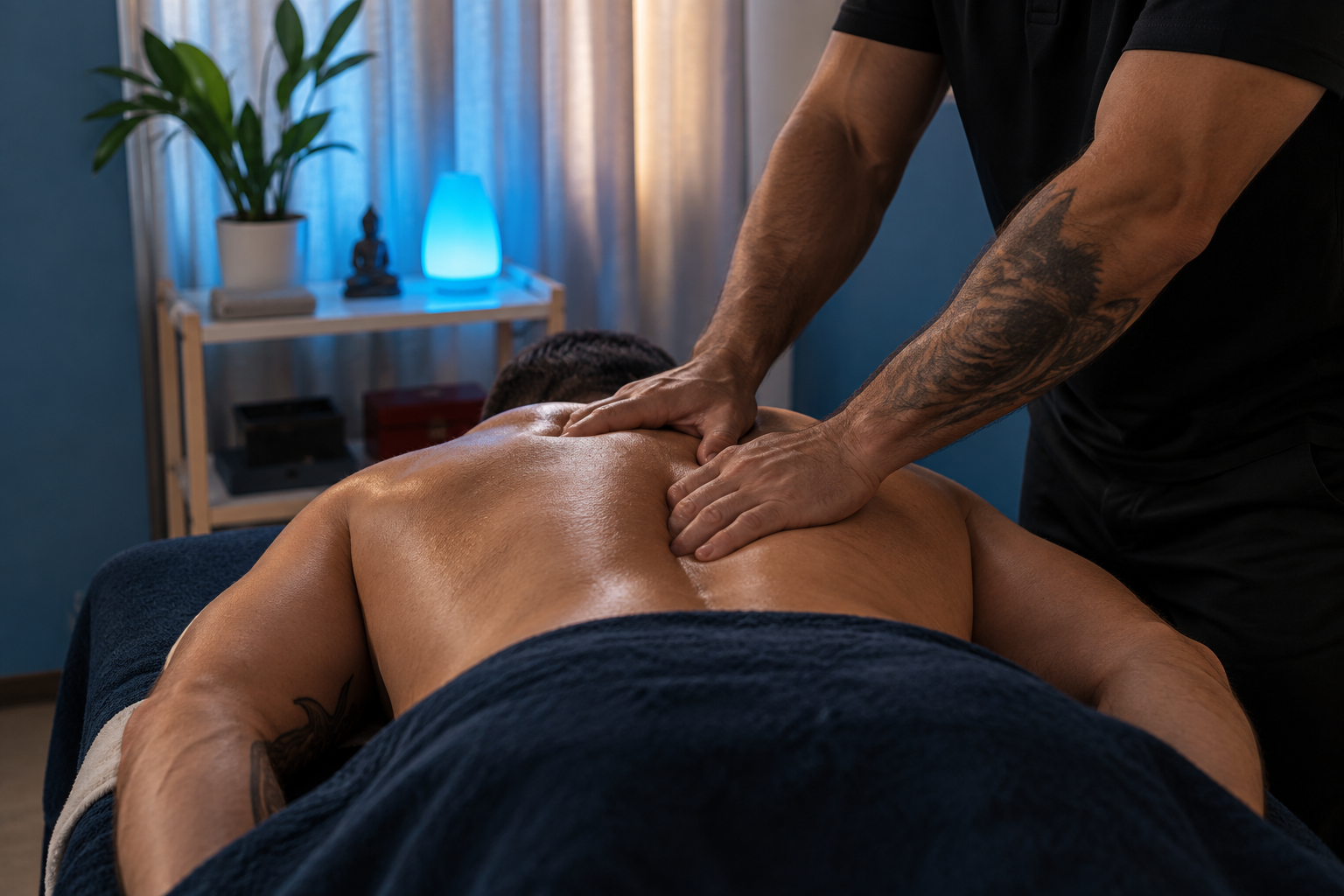
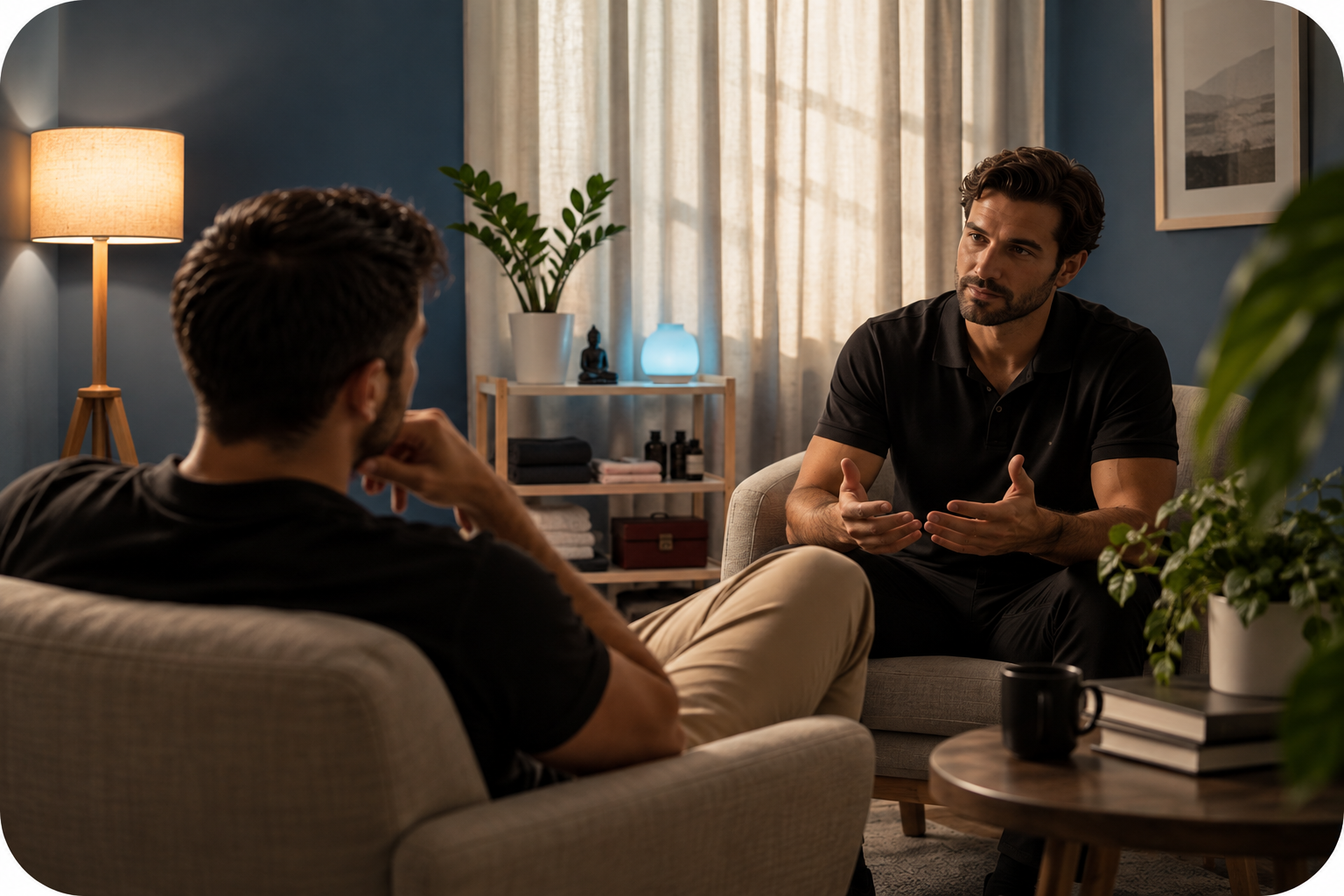
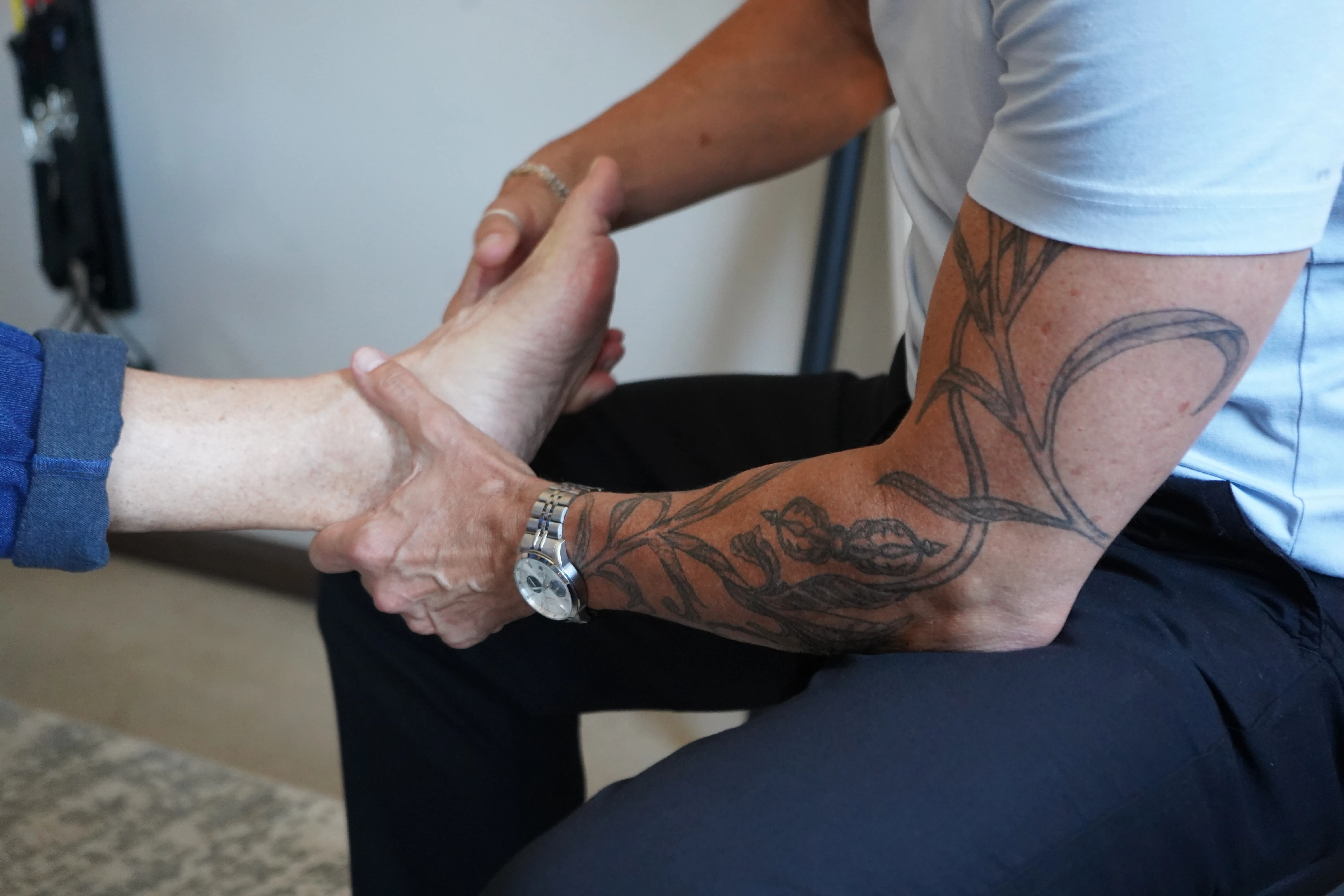
Male pelvic rehabilitation at The MENd Method Studio starts with a private, judgment-free conversation about symptoms and history, followed by an assessment tailored to your specific condition. It's a clinical process, led by a specialized rehabilitation nurse, built around function, sensitivity, and confidence, not something to feel embarrassed about avoiding any longer.