0%
All Insights
The Method1 min read

What Is Mobility Coaching, and Why Isn't It Physical Therapy?

Mobility coaching gets lumped in with physical therapy, chiropractic, and osteopathy constantly, but it's built differently, and understanding the difference helps you know what to actually expect.

Published
What Is Mobility Coaching, and Why Isn't It Physical Therapy?

"So it's like physical therapy?" is one of the most common questions asked about mobility coaching, and the honest answer is: not quite. The MENd Method isn't chiropractic, osteopathy, or physical therapy, it's a distinct, evidence-informed approach built around four pillars, and knowing what makes it different helps you know what to expect.

No High-Velocity Manipulation, Ever

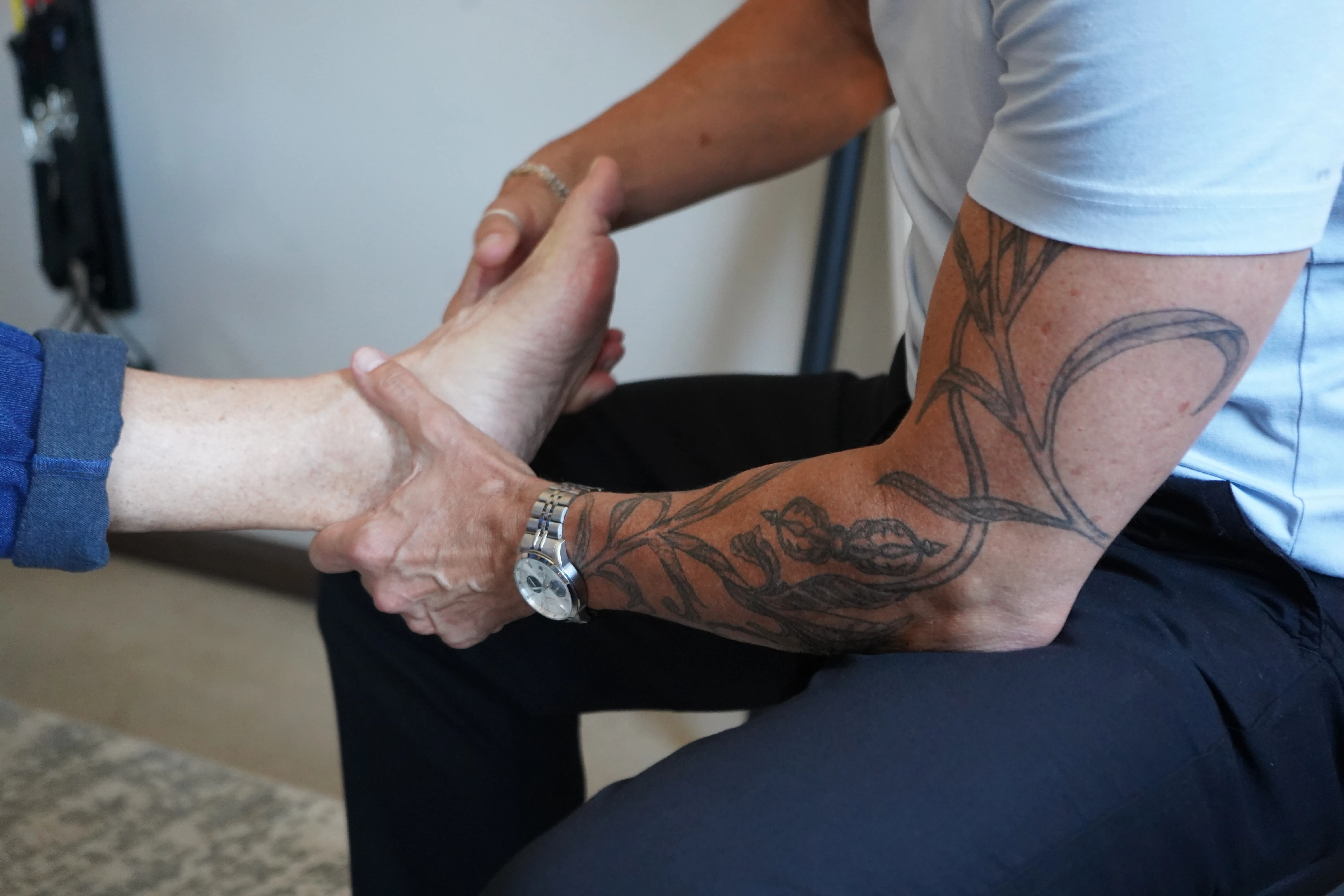
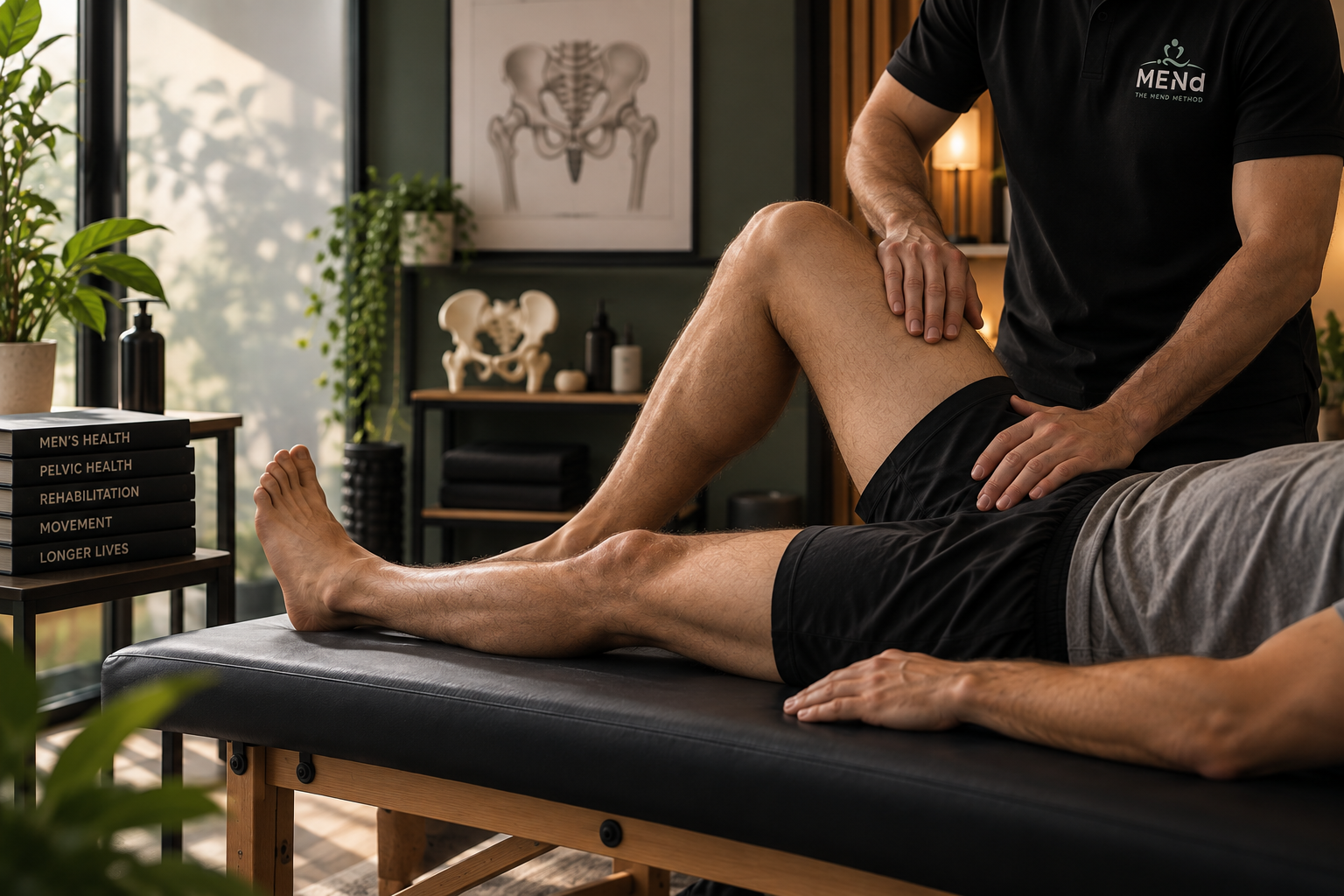
Physical therapy, chiropractic, and osteopathy can all involve forceful adjustments or high-velocity manipulation as part of treatment. Joint Mobilization within the MENd Method never does, every session uses slow, controlled techniques adjusted entirely to your comfort.

Corrective Exercise, Not a Generic Rehab Protocol

Rather than a standardized rehab protocol applied broadly, Corrective Exercise uses Pilates-based coaching and individualized movement assessment to reactivate underused muscles and calm overworked ones, built around your specific movement patterns rather than a diagnosis code.

The Nervous System Is Part of the Picture

Neuroproprioceptive Training addresses balance, coordination, and reaction time directly, recognizing that mobility isn't only about muscles and joints, it's also about how quickly and confidently your nervous system responds when something catches you off guard.

Dialogue Is Treated as Part of Treatment

Self-Discovery and Dialogue sits alongside the physical work as an equal pillar, not an add-on, because stress, habits, and mindset shape how the body holds tension just as much as posture or old injuries do. That combination, bodywork, corrective exercise, nervous system training, and dialogue, is what makes the MENd Method its own distinct approach.
Book Appointment

Frequently Asked Questions

No. Mobility coaching is a distinct, evidence-informed approach built around four pillars: joint mobilization, corrective exercise, neuroproprioceptive training, and dialogue, rather than a standard physical therapy or chiropractic protocol.

No. Joint Mobilization within the MENd Method never includes high-velocity manipulation, every technique is slow, controlled, and adjusted to your comfort.

More Insights

Why Some Men Prefer a Male Massage Therapist
Massage Therapy2 min read

Why Some Men Prefer a Male Massage Therapist

For many men, comfort matters as much as technique. Here's why a professional, all-male therapist team, working in a private, judgment-free space, makes booking a massage easier, not harder.

Read article
Male Pelvic Rehabilitation: Myths and Reality
Rehabilitation1 min read

Male Pelvic Rehabilitation: Myths and Reality

Pelvic floor issues aren't just a women's health topic, and they're rarely talked about openly among men. Here's what male pelvic rehabilitation actually treats, and the myths getting in the way of men seeking help.

Read article
Why Men Avoid Therapy (and How MENd Is Different)
Mental Health1 min read

Why Men Avoid Therapy (and How MENd Is Different)

Most men don't avoid therapy because they don't need it, they avoid it because of how it's usually framed. Here's what keeps men away, and what a space built specifically around men actually looks like.

Read article
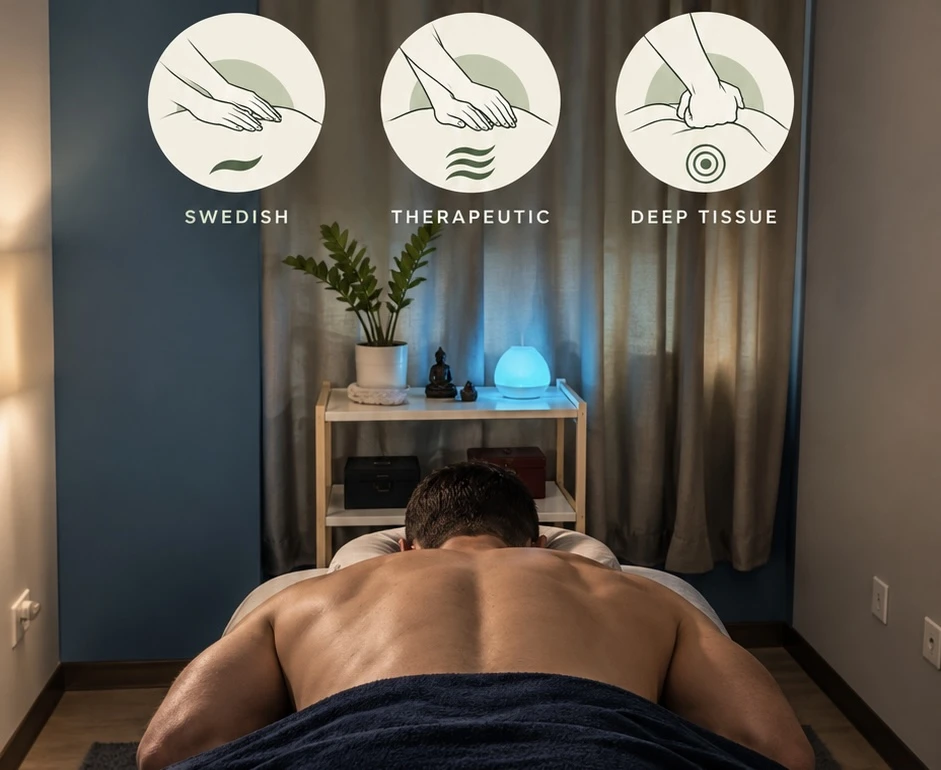
Swedish, Therapeutic, or Deep Tissue: How to Choose the Right Massage
Massage Therapy2 min read

Swedish, Therapeutic, or Deep Tissue: How to Choose the Right Massage

Swedish, Therapeutic, and Deep Tissue aren't different intensities of the same massage, they're built for different jobs. Here's how to tell which one your body actually needs.

Read article
How Often Should You Get a Massage? A Practical Guide
Massage Therapy1 min read

How Often Should You Get a Massage? A Practical Guide

There's no single right frequency, it depends on whether you're managing stress, working through chronic tension, or supporting active recovery. Here's how to figure out your own rhythm.

Read article
Why Massage Therapy Deserves a Place in Men's Health Routines
Massage Therapy1 min read

Why Massage Therapy Deserves a Place in Men's Health Routines

Many men treat massage as an occasional reward rather than routine maintenance. Here's why that's worth rethinking, especially if your work or training puts real strain on your body.

Read article